I’ve just arrived in Jaipur having finished two week’s volunteering at the charity Wildlife SOS. I’d initially booked one week but from day one I knew I needed to spend more time at this remarkable project, amongst remarkable elephants and remarkable people.
But I also learnt quickly how unprepared I was for the elephants’ backstories. I had known – even in India where elephants are revered, worshipped – that the abuse of and cruelty to captive elephants is common and widespread. Even so, it was a shock to hear the stories of these animals’ lives.
I won’t dwell too long on the cruelty inficted on captive elephants – whether temple, begging or tourist elephants – but I will cite one egregious example (there are more – here):
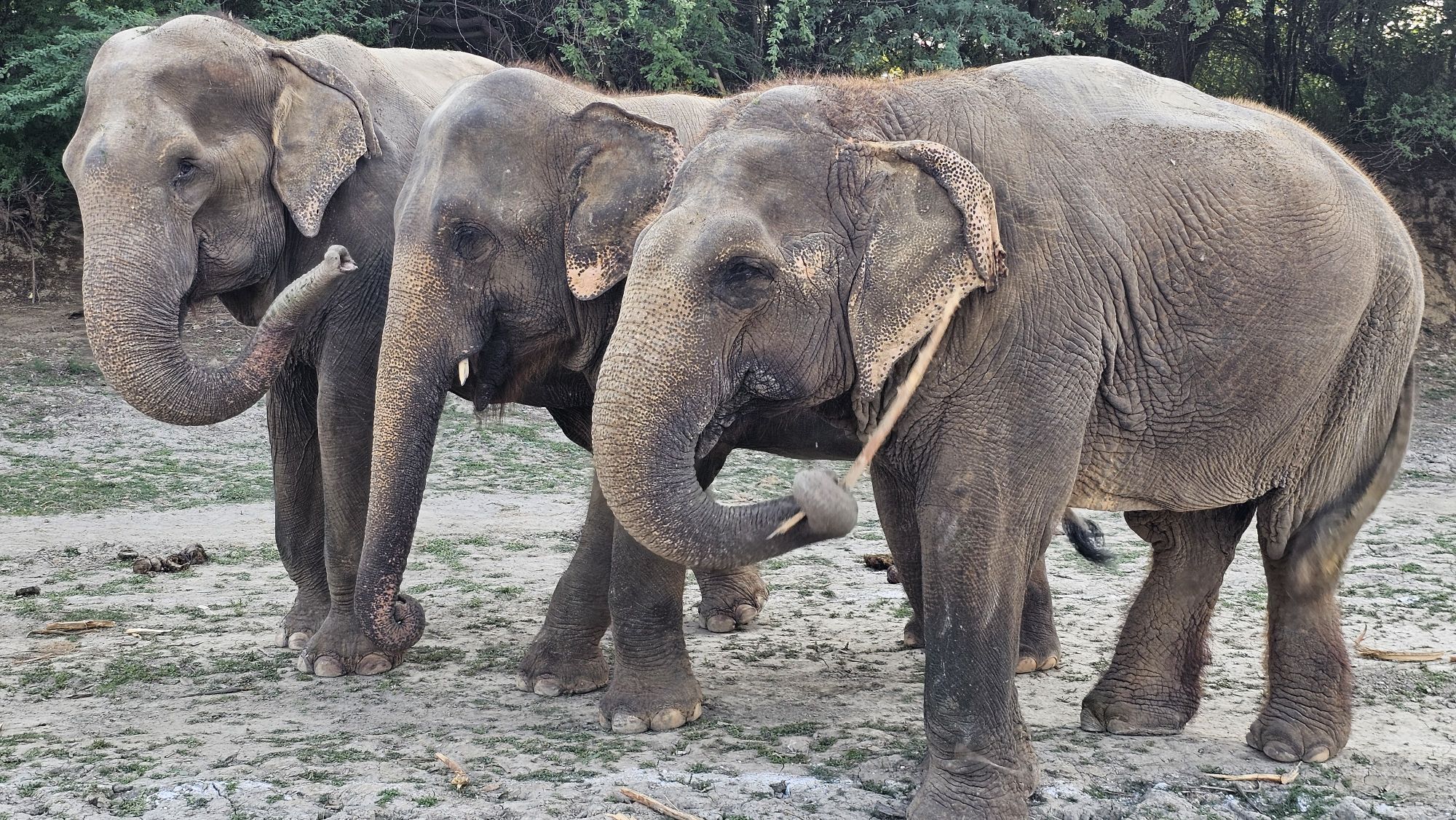
Holly, the elephant on the left, is blind. And she’s blind not because of an accident or illness but because her previous owner made her so. He blinded her in each eye. To make it easier to control her.
I guess that would work, would it?
Holly is now safe at the Wildlife SOS elephant hospital and by sensing the ground with her trunk and following her two friends, (one of whom has picked up a stick to scratch behind a particularly itchy ear) she’s able to amble along for twice daily walks outside the compound.
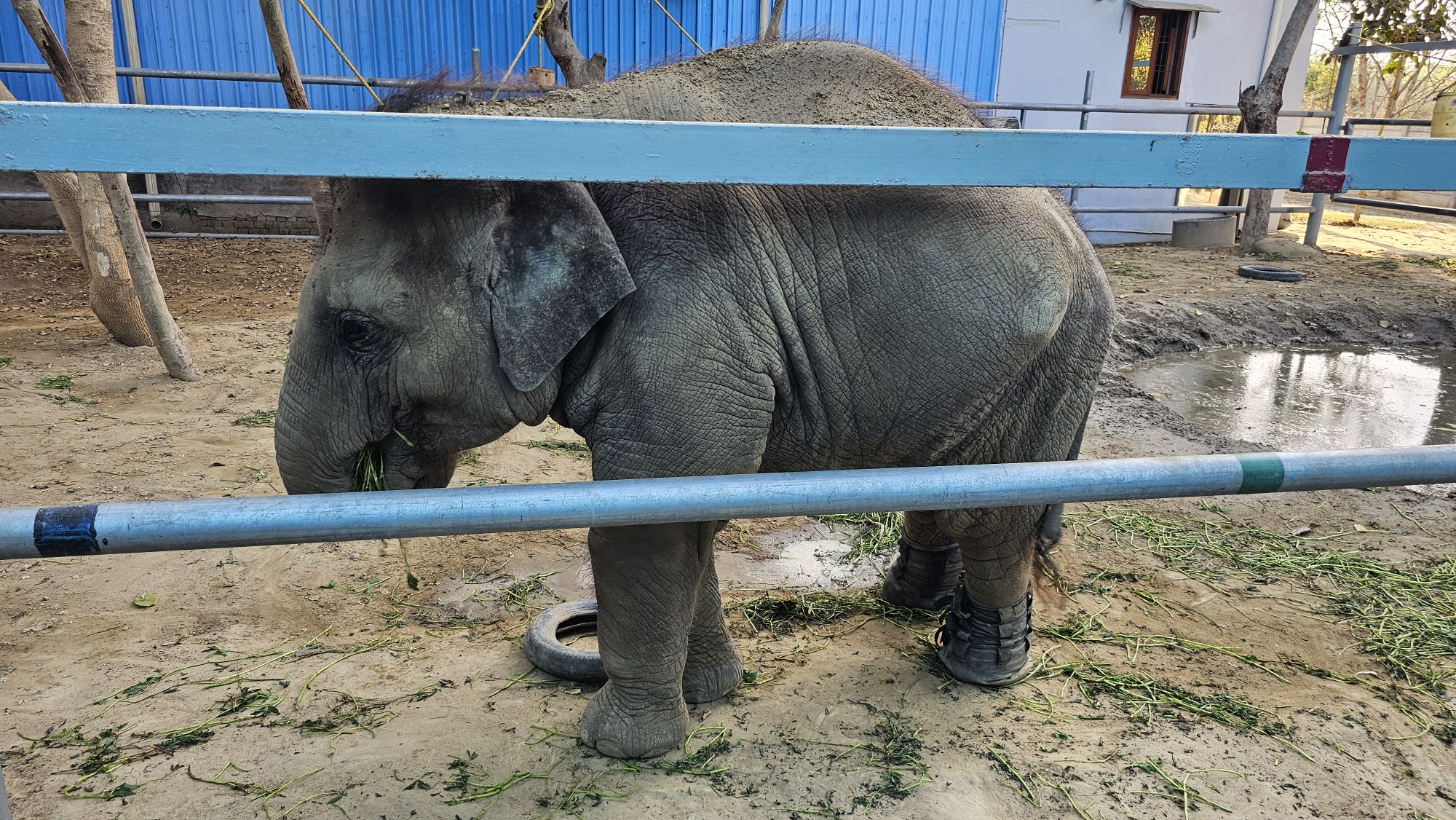
Not all the elephants at the project have been rescued from callous or ignorant owners. This is Bani. She and her mother, members of a wild herd, were struck by a train. Her mother was killed but 9 month old Bani survived despite serious injuries to her spine and rear legs. She was found by the Forest Department and brought to the elephant hospital at Wildlife SOS where it was assumed she would never walk again. But after dedicated and prolonged care, treatment and physiotherapy, Bani is up on all four feet again.
Two years on Bani is not completely mended and probably never will be. She drags her rear legs somewhat and so wears fetching black boots to protect her vulnerable rear toenails.
But for a juvenile elephant that wasn’t meant to walk again, you can see how mobile Bani is.
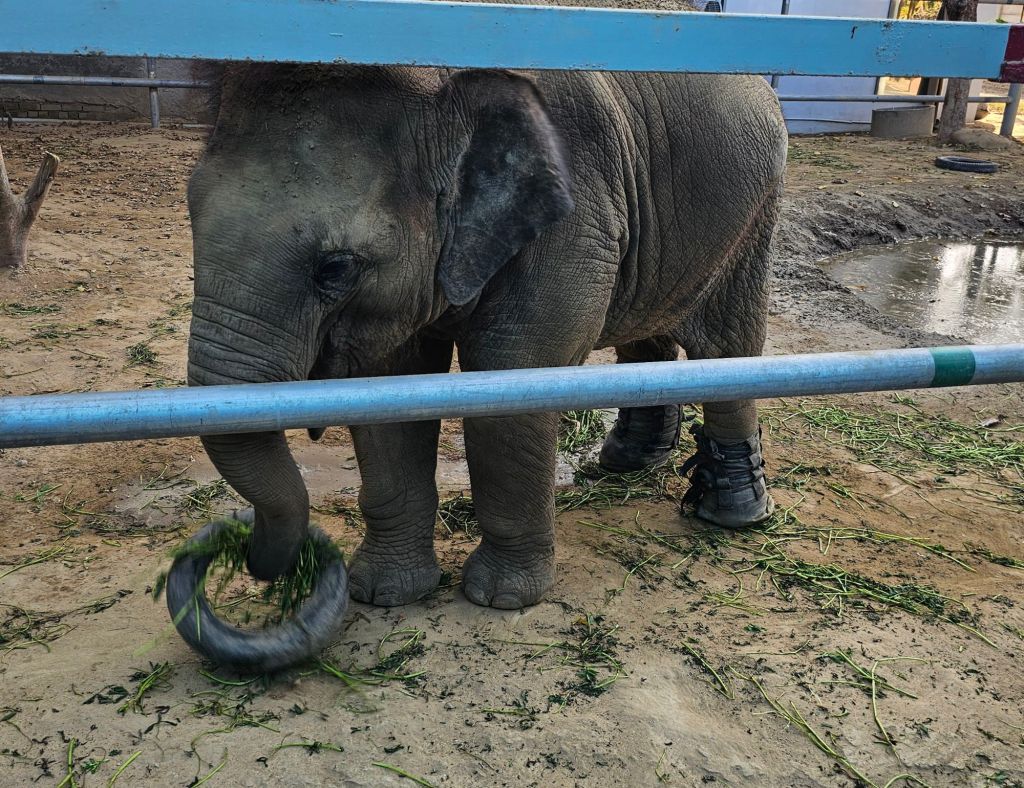
Bani isn’t very well behaved. I was warned not to stand too close in case she whacked me with her trunk or nicked my phone. But it’s hoped that in time Bani can be paired with an older, wiser, calmer influence. Such a she-elephant is Phoolkali. Phoolkali might teach Bani that whacking visitors and staff is frowned upon at Wildlife SOS.
As well as remarkable elephants, it was a pleasure to meet all the staff and other volunteers at the centre. The dedication, expertise and humanity of the former was humbling and I felt honoured to spend two weeks getting to know and work alongside them.
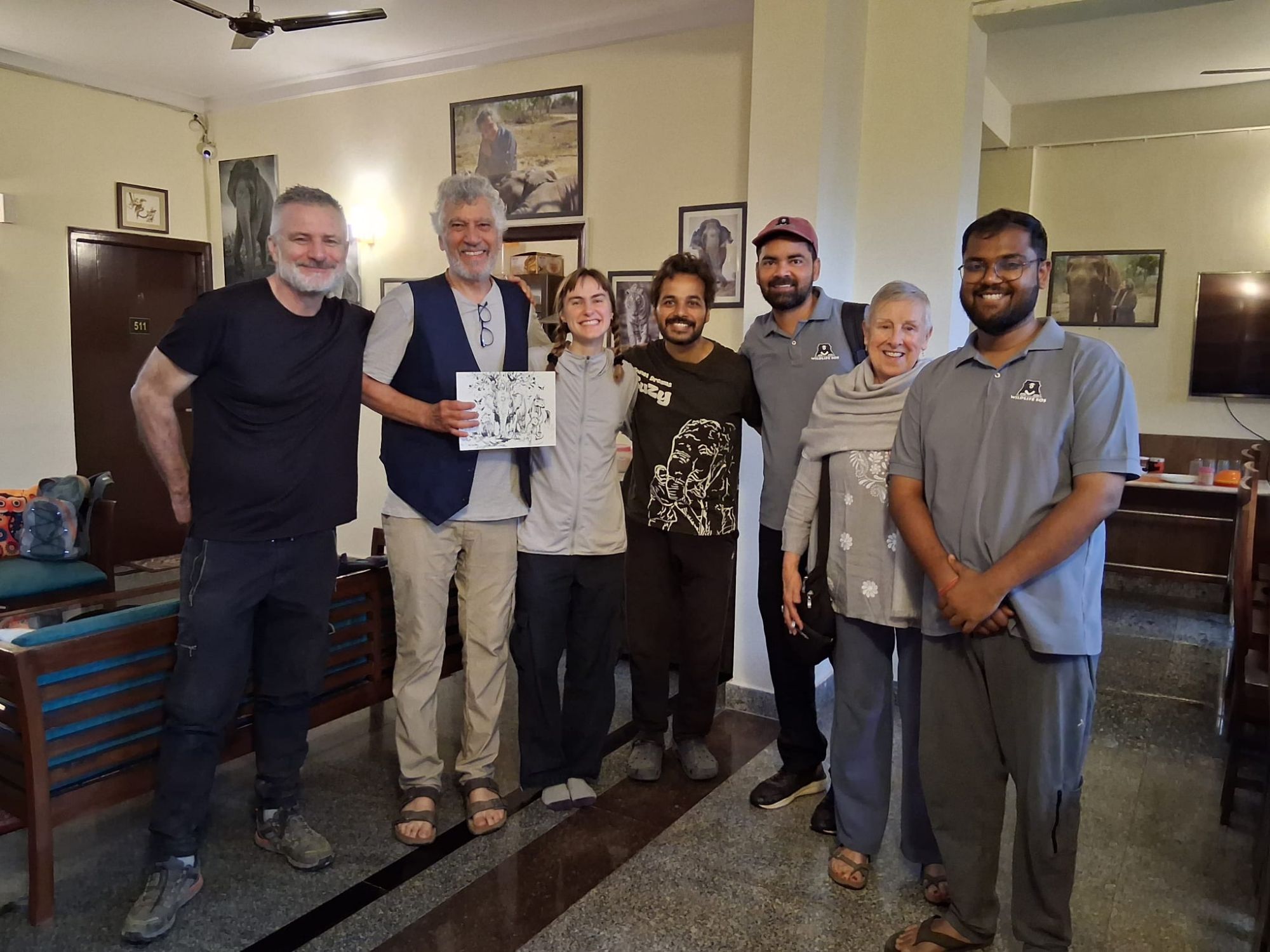
It was also a joy to meet volunteers from all over the world. There were so many I can’t name them all but a special shout out to Abhi who, as a regular returning volunteer, taught me so much and as a beautiful person taught me so much;
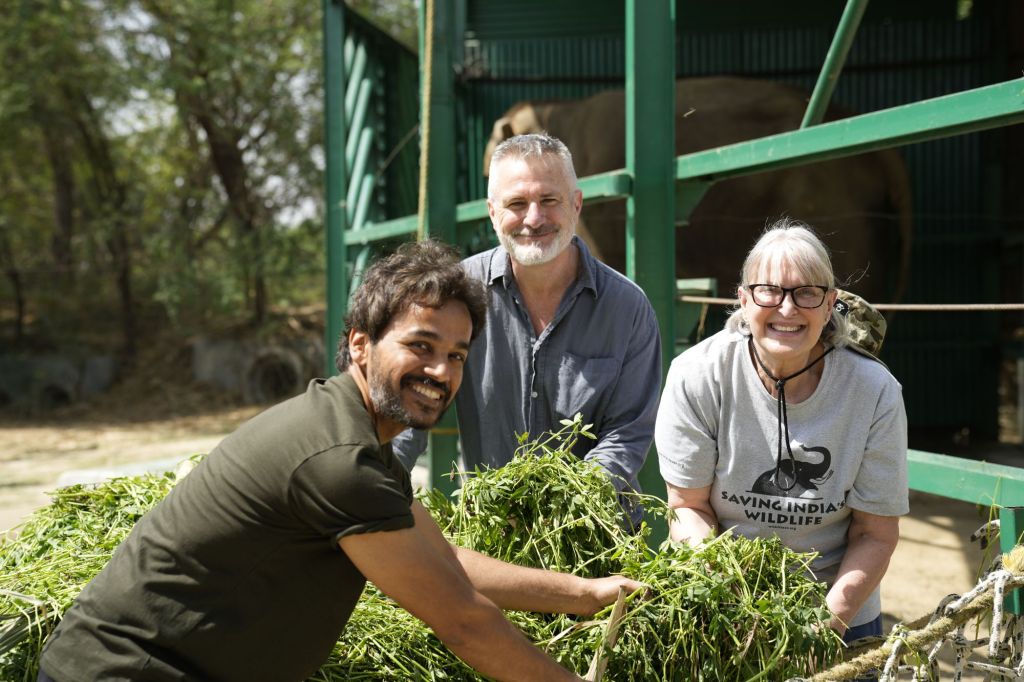
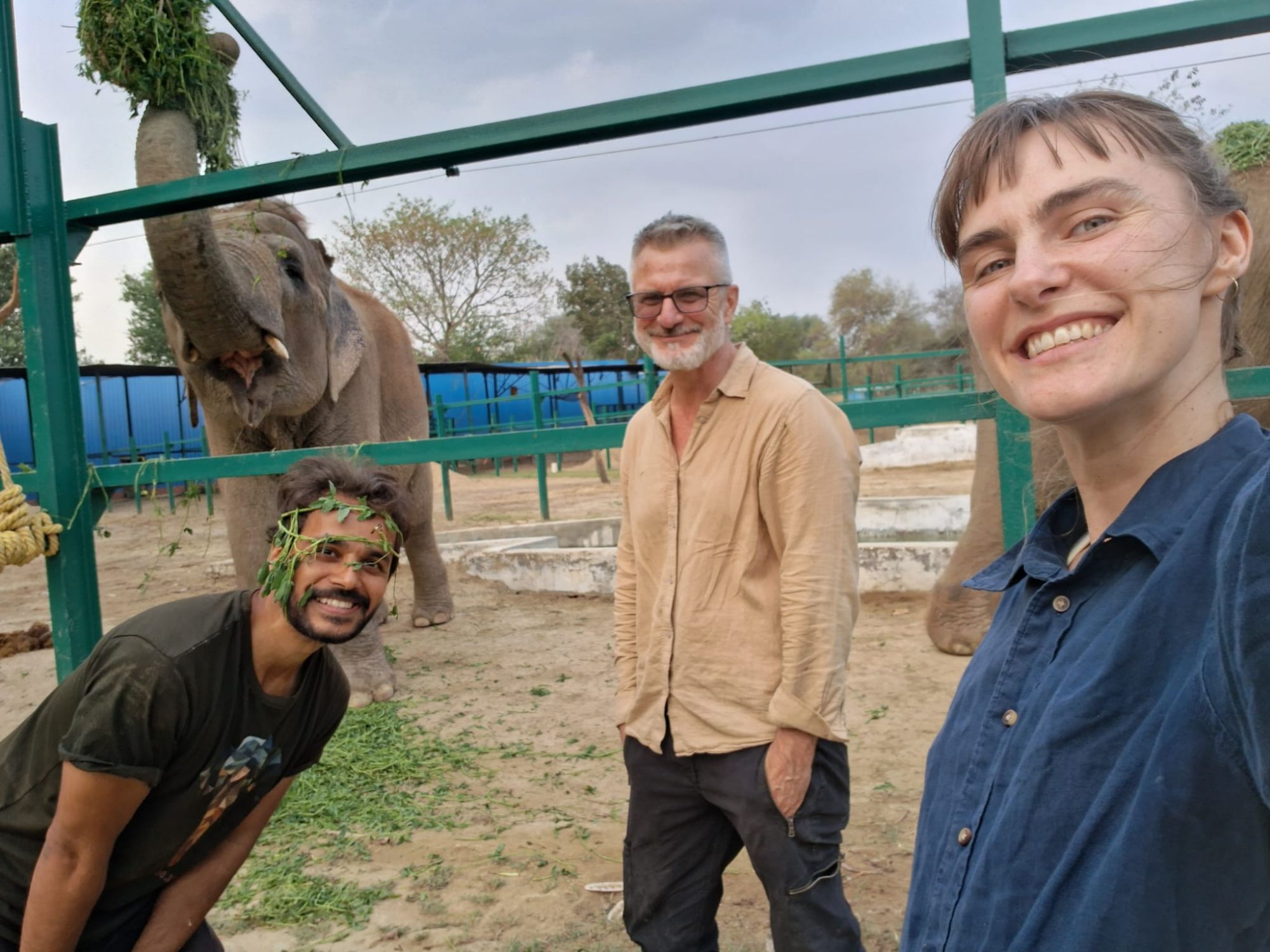
the wonderful Barbara who made my first days so memorable and downright funny; and Lilly whose constant smile and enthusiasm was a tonic – even during a tough work day scrubbing out an elephant-sized swimming pool.
(Actually, cleaning out an elephant’s swimming pool wasn’t so very bad given the resultant delight.)
To find out more about the sterling work carried out by Wildlife SOS visit their website or follow them on Instagram. If you can afford to make a donation or sponsor an elephant then please, please do.
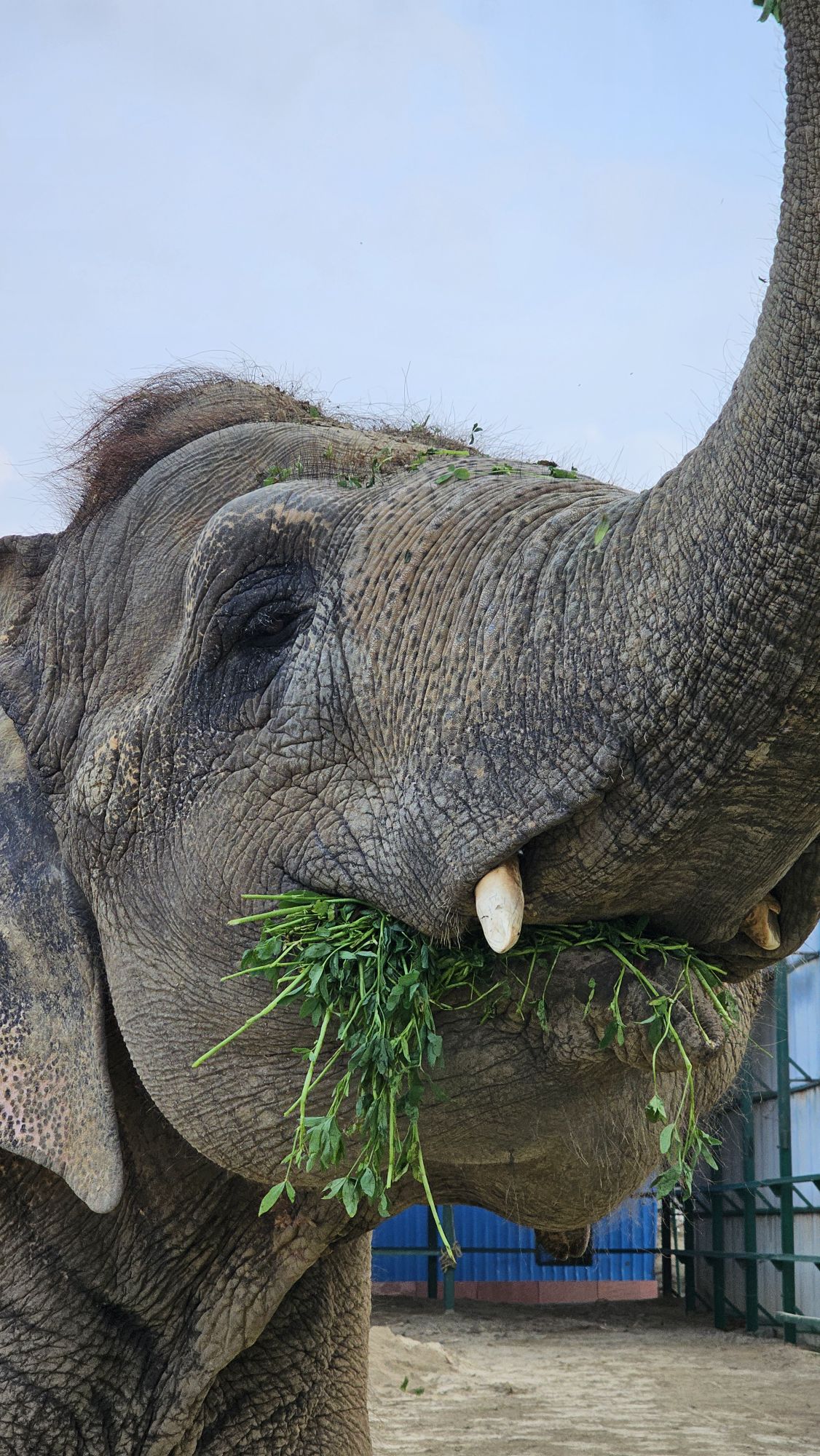
Or, hell, come out to India and volunteer. If you can afford it, and that’s a big ask, I can assure you of a very warm welcome, a hugely worthwhile experience, amazing people, amazing elephants and a promise that your money will be spent in helping the elephants I met plus supporting the charity’s work in bringing more elephants home.
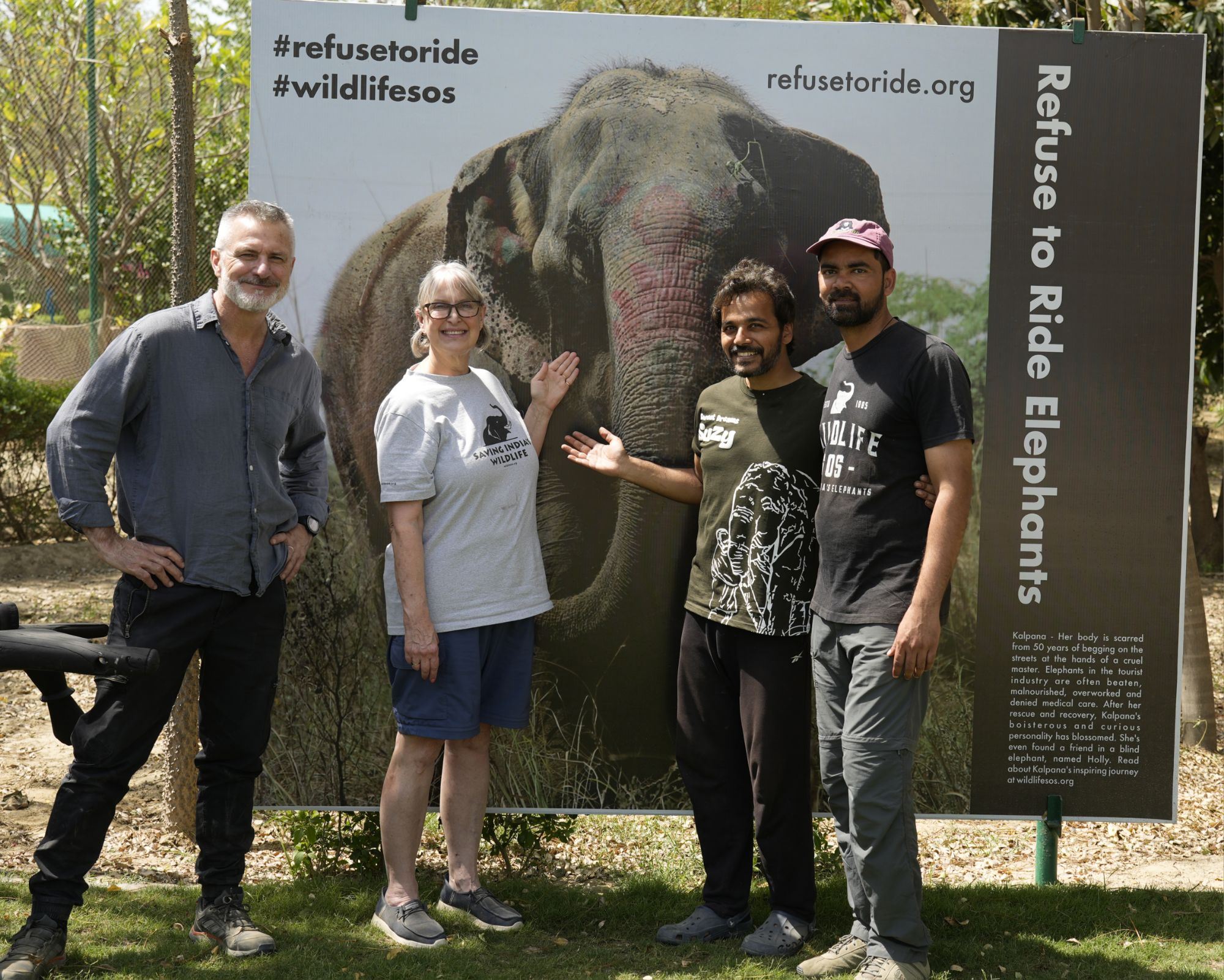
But, if you do nothing else, don’t ever ride an elephant – in India, Thailand, Sri Lanka, wherever – or endorse or like anyone else doing so on social media.
If you visit an elephant ‘sanctuary’ or ‘rescue centre’ where you can feed or bathe elephants you’re at the wrong place. Sorry to get all preachy but a true sanctuary won’t allow any physical interaction with elephants. Any more than you would, an elephant doesn’t want to be touched, prodded, squealed at, washed and photographed by an endless queue of strangers day after day after day.
Having said that, I should in fairnes admit:
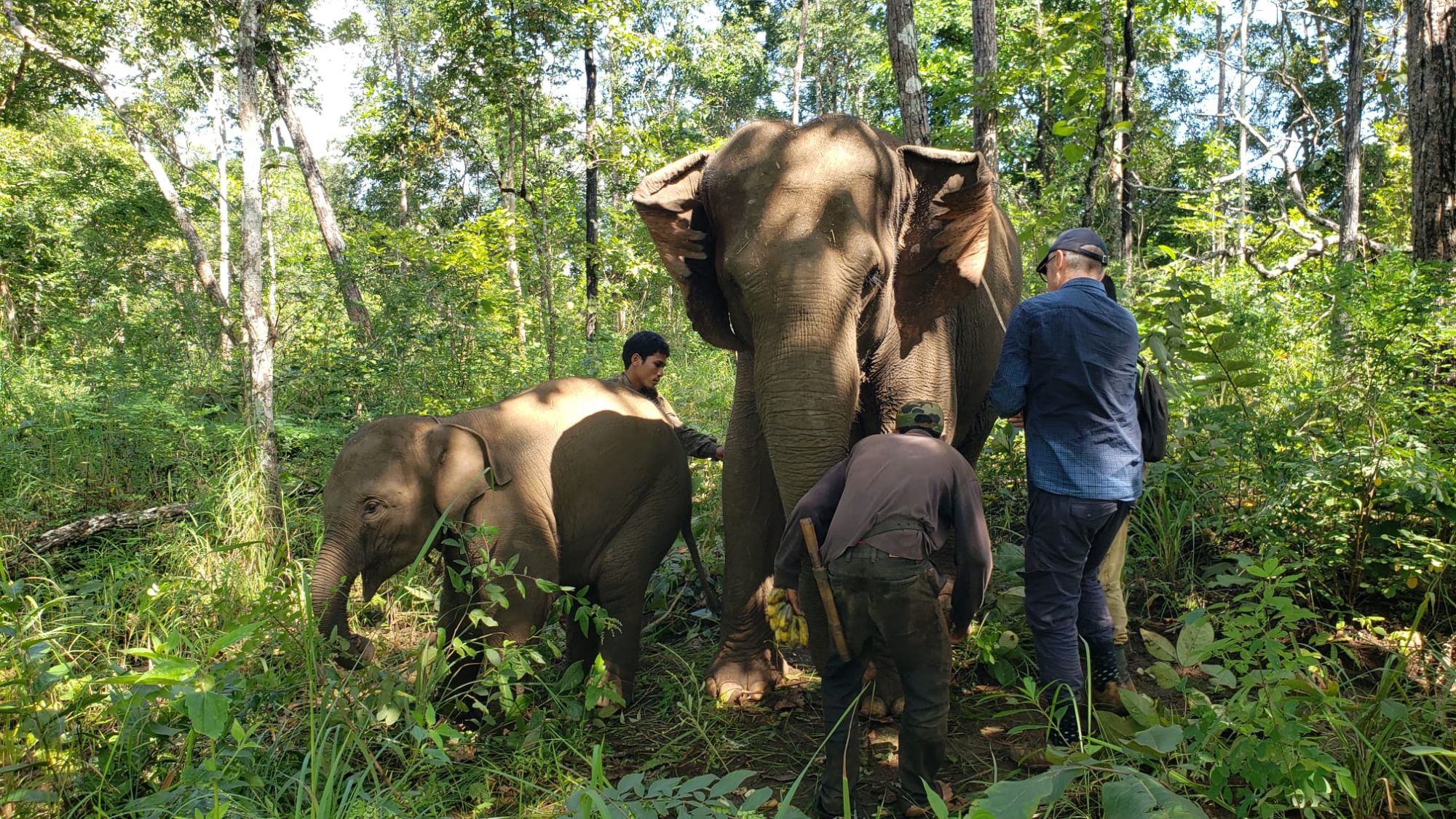
Two years ago, I was fortunate enough to work for 3 weeks at the Elephant Valley Project in eastern Cambodia. As a volunteer I was allowed to touch the elephants during supervised daily health checks. But actually, I suspect that EVP will phase out volunteers carrying out these health checks as attitudes to the care of rescued elephants continue to evolve.
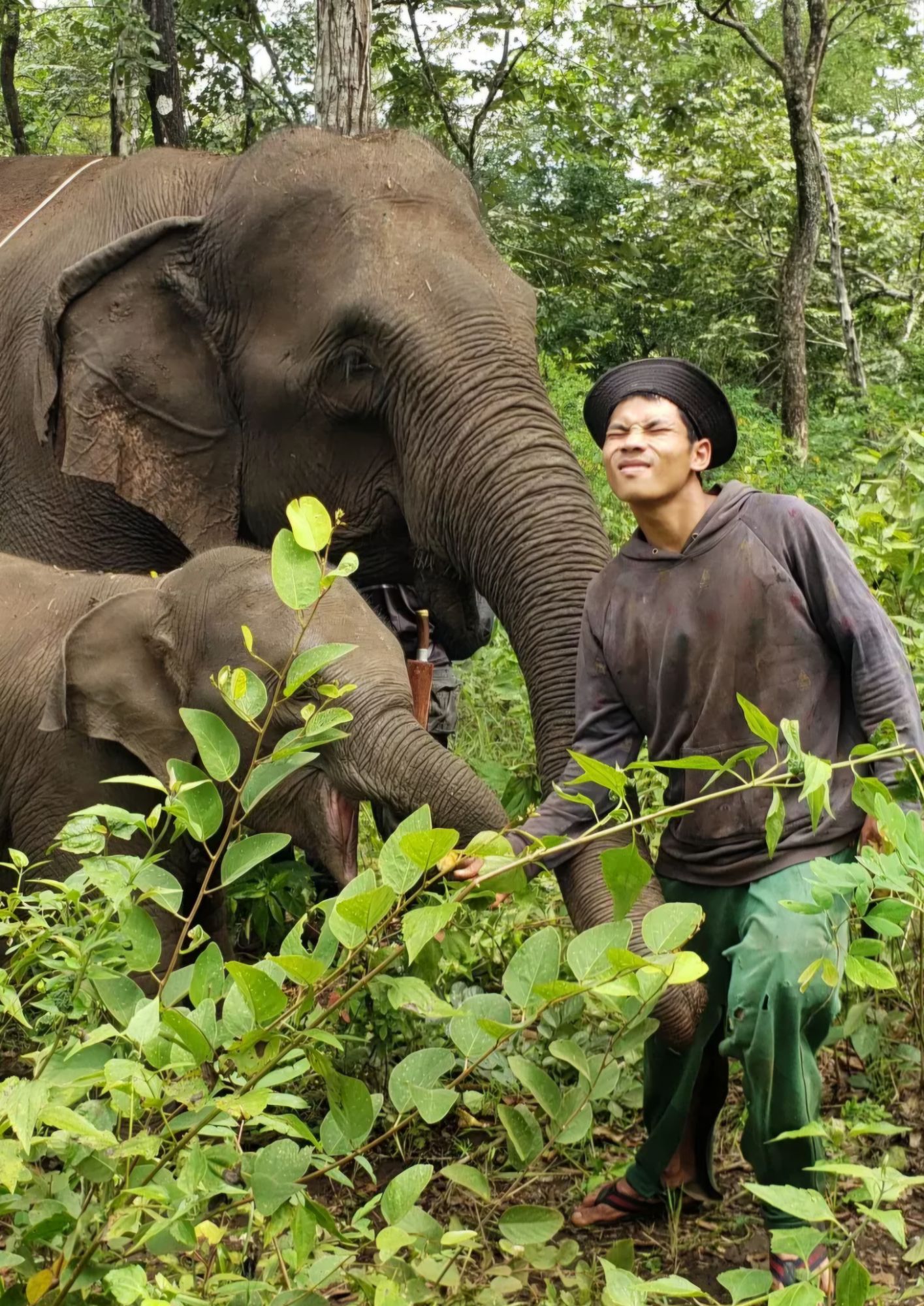
Being close to the elephants as they wandered through the forest endlessly eating – with caretakers always close by – was in itself so special that I really didn’t need physical contact too.
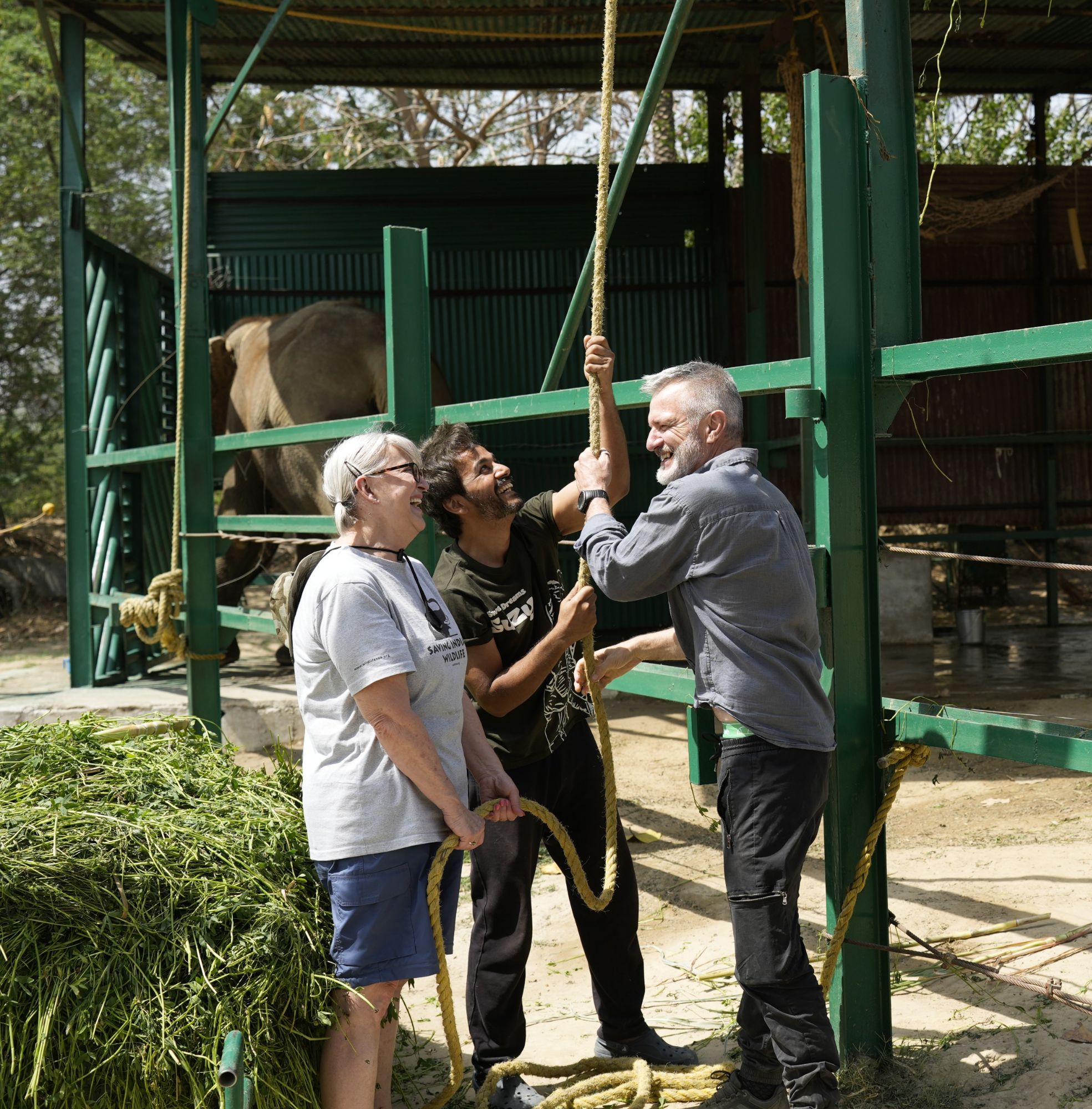
Not having the intimacy I had in Cambodia with the elephants at Wildlife SOS didn’t feel like I was missing out.
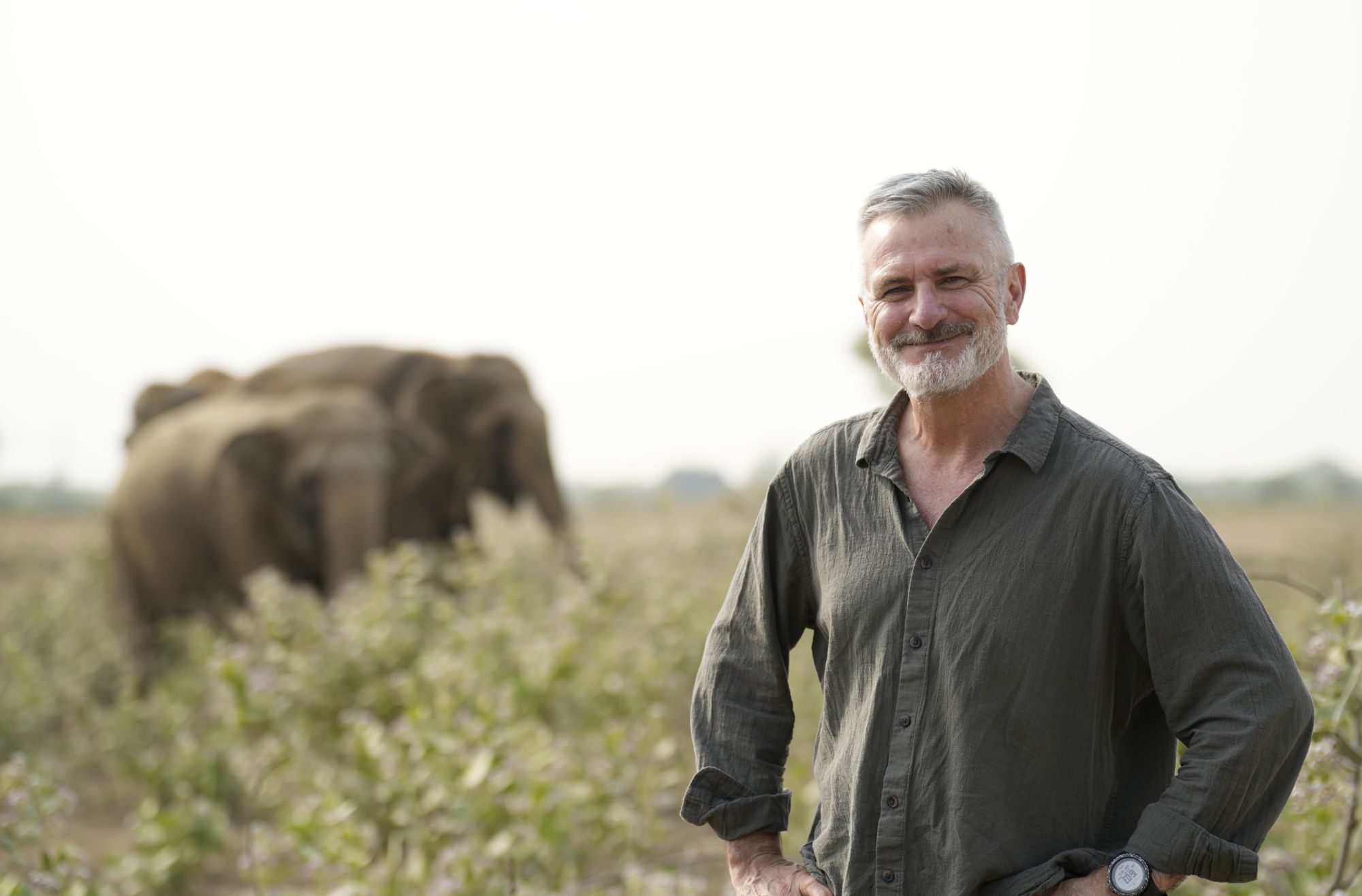
On the contrary, it felt right.
oooOOOooo
Whilst travelling, I’m posting regularly to Instagram, Facebook and Threads. Follow any of those if you’d like to see more of my 9 week jourey across India.
 The Anxious Gardener
Thank you for sharing this moving account David…will most certainly pass on and make aware of horrendous cruelty. How’s Jim? Jo…formerly Aberdeen House Seaford. All the very best Jo n Eric the potter.
LikeLike